Veterinarians Tackle Pet Vaccine Hesitancy
A veterinary podcast discusses evidence on vaccine safety and strategies for communicating with hesitant pet owners, highlighting low adverse event rates
Veterinarian Natalie Marks addressed pet vaccine hesitancy on The Vet Blast Podcast from dvm360. She outlined safety evidence and communication techniques for veterinary professionals dealing with concerned clients.
Marks emphasized that while vaccines are not 100% risk-free, evidence shows they are overwhelmingly safe. The risk of serious adverse events is very low compared to the risk of the diseases vaccines prevent. For a deeper look at health data, our stats page provides broader insights.
Safety Evidence from Large Studies
Marks cited key safety studies for veterinary professionals to reference. A 2005 JAVMA study evaluated over 1.2 million vaccinated dogs. It found vaccine-associated adverse events diagnosed within three days occurred at a rate of 38.2 per 10,000 dogs, or less than half of one percent. The study noted risk increased in smaller dogs and when more vaccine doses were given at one visit.
A larger 2023 JAVMA study involving 4.6 million dogs reinforced these findings. It also showed adverse event rates for leptospirosis vaccines were no greater than for DHPP and rabies vaccines. Marks noted that leptospirosis vaccines have historically carried a reputation for being more reactive, but current evidence does not support treating them as uniquely unsafe.
Framing the Conversation for Clients
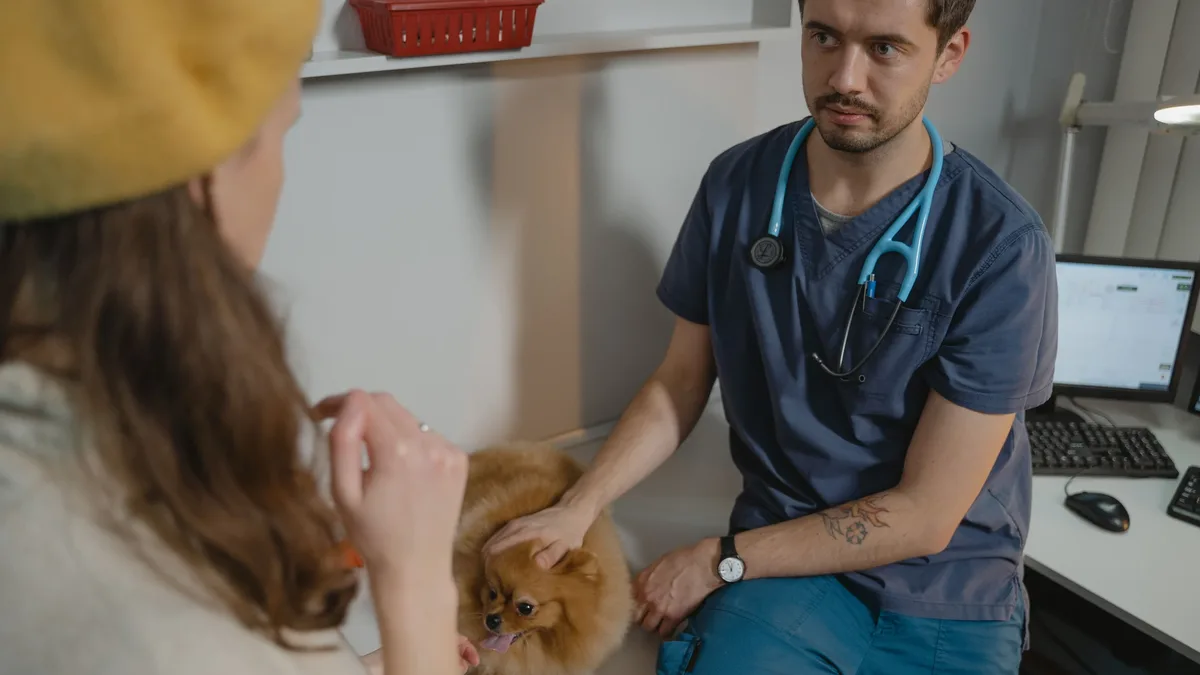
In the exam room, Marks advises separating the possible from the probable. Mild reactions like lethargy or soreness are possible. Allergic reactions can occur but are rare. She contrasts this with the reality of the diseases. The real diseases that we vaccinate against, such as parvo, distemper, rabies, panleukopenia, feline leukemia, and leptospirosis, are not theoretical. They can be severe, expensive to treat, contagious, zoonotic, or life-threatening. Understanding a team's full health profile, available on our squad page, can inform these risk discussions.
For cats, she acknowledged concerns around adjuvanted versus non-adjuvanted vaccines, referencing a 2023 European study. The takeaway, she said, is not that every cat needs the same protocol, but that it's important to have a thoughtful discussion about vaccine selection and individualized risk, especially with caregivers concerned about inflammation.
Practical Communication Strategies
Marks suggested a specific phrasing for veterinarians unsure how to begin the conversation. She recommended saying, My goal is not to give your dog or cat every single vaccine possible. That is not our goal. The aim is to be comprehensive while tailoring the plan to the individual patient's risk and informing the pet parent.
Host Adam Christman noted these are great sound bites for practitioners, especially those new to practice. He reflected that preventive medicine is a core part of the veterinary job, and these conversations are fundamental. The discussion highlights the need for evidence-based, collaborative communication to move past hesitation.